
Transformative Leadership Journeys
Reflecting on my personal leadership journey, one pivotal moment stands out from my time in the military. I had a squad leader, Staff Sergeant Timmons, who was an exemplary leader and developer. After about 9-12 months, he went overseas, and another leader took over, drastically changing the culture and environment. This experience taught me the significance of having a positive relationship with my supervisor. It motivated me to work harder than my peers and give 100%, as my work represented me. I resolved that when I became a supervisor, I would emulate Staff Sergeant Timmons, fostering a supportive environment. This experience also highlighted that I value my relationship with my boss more than compensation or job security.

Defining Effective Leadership
In project management, effective leadership means being able to communicate the company’s vision, guide teams, and influence change. Key traits and skills include integrity and accountability, decisiveness, resilience, the ability to influence others, transparency, and innovation.
Overcoming Leadership Challenges
Understanding people’s culture and personality influences how you adapt to your team. I overcame this challenge by getting to know team members personally during our one-on-one meetings, instead of focusing solely on status reporting. I started learning about emotional intelligence, which helped me connect with my team on a deeper level.
The Influence of Mentors
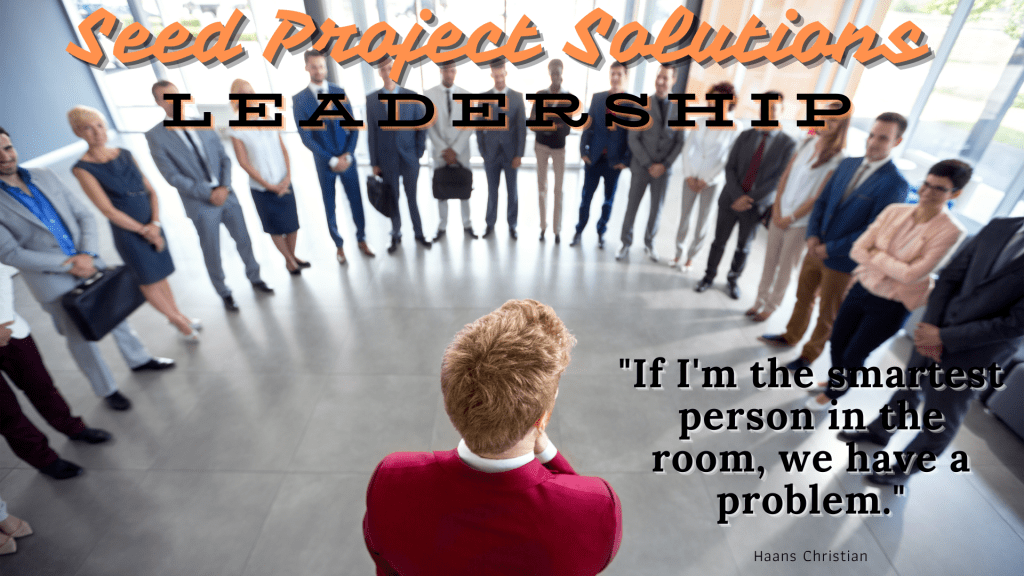
Mentorship has been crucial in shaping my leadership style. Haans Christian, one of my mentors, advised me to “hire people smarter than you and let them do their jobs.” He often said, “If I’m the smartest person in the room, we have a problem.” This wisdom taught me the importance of empowering experts to excel in their roles and focusing on developing their potential.
Leadership in Action
A defining project where my leadership was critical involved taking over a struggling biometric and address verification mobile application project for a government agency. The internal and vendor solution architects had conflicting designs. I requested a fit-gap analysis to compare both designs against the documented functional and non-functional requirements. This analysis revealed that while the vendor’s design met all functional requirements, it failed to meet critical non-functional requirements, which were essential. Presenting these findings to the steering group helped secure approval for the internal design, ensuring the project’s success.

Adapting Leadership Styles:
Adapting leadership styles to fit team dynamics involves implementing team-building activities and celebration events that align with the project’s complexity and team culture. Sharing meals or beverages and discussing personal interests or family topics can help team members feel more comfortable and open.
Emerging Leadership Trends:
Adaptive leadership is becoming increasingly important as leaders navigate dynamic and uncertain settings. Leaders must be flexible and responsive to change, fostering an environment where strengths are recognized, contributions celebrated, and challenges seen as growth opportunities.

Leadership and Organizational Culture:
Creating a positive organizational culture means establishing core values and modeling them. At Seed, we focus on recognizing everyone’s strengths, celebrating contributions, and approaching challenges as opportunities for growth.
Advice for Aspiring Leaders:
For those aspiring to leadership roles in project management, my advice is to establish and model core values. Embrace mentorship, empower your team, and prioritize emotional intelligence. For further insights, check out the Blindspot Blog and subscribe.
Write in the comments below some of the things that have impacted your leadership Journey.
Stay updated with our latest insights and strategies by signing up for our blog today!

Leave a comment