

Understanding and mastering the 10 keys to project success has been a cornerstone of my career. From the early stages of learning through PMI frameworks to real-world applications across various industries, these keys have proven to be invaluable.
Learning and Application
I first encountered the principles behind the 10 keys during my early project management training, heavily influenced by the PMI’s framework. My initial major application was with a government tax organization, where the complexity and scale of the project necessitated a robust and clear framework for communication and execution. The 10 keys provided that structure, allowing for a comprehensive visualization of every project area and making it easy to communicate with stakeholders.
Real-World Implementations

Tax Organization Transformation
Implementing the 10 keys framework during a major business transformation for a government tax organization was a turning point. The framework facilitated clear, consistent communication with stakeholders, ensuring everyone understood the project’s scope, plan, and progress. This structured approach was crucial in navigating the complexities of the transformation.
Airport Modernization Project
At an international airport, airport of the future project, the 10 keys helped manage the extensive planning and coordination required for such a large-scale endeavor. The keys ensured that every aspect, from stakeholder engagement to vendor relationships, was meticulously managed and aligned with the project’s goals.
National Census Execution
In the implementation of a national census, the 10 keys framework was instrumental in managing risks, issues, and dependencies across multiple layers of governance. This structured approach allowed for smooth execution and timely interventions, ensuring the project’s success.
The 10 Keys Explained
- Stakeholder Engagement: Identifying and managing the needs and expectations of all stakeholders.
- Plan: Developing a comprehensive project plan that outlines the approach, timeline, and resources.
- Scope: Defining and controlling what is and is not included in the project.
- Budget: Planning and managing the financial resources of the project.
- Risks: Identifying, assessing, and managing potential risks.
- Issues: Addressing and resolving problems that arise during the project.
- Dependencies: Managing interrelated tasks and their impacts on the project.
- Vendor Relationships: Effectively managing external partners and suppliers.
- Team: Building and leading a cohesive project team.
- Deliverable Management: Managing the specifications and quality of each deliverable.
Alignment with PMI’s Key Areas
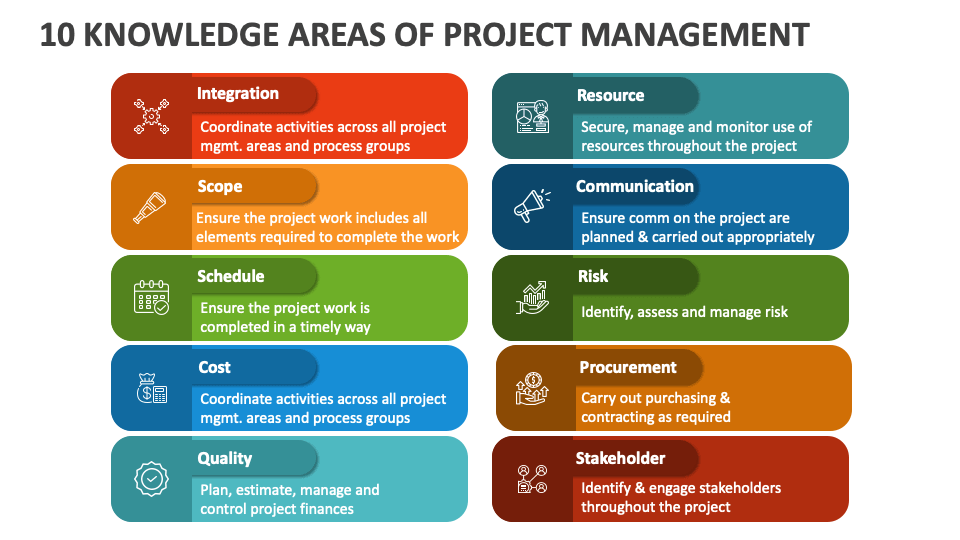
The 10 keys align seamlessly with PMI’s framework, covering all essential areas for project success. Each key reflects a core aspect of PMI’s project management knowledge areas, ensuring a comprehensive approach to project execution.
Tailoring the 10 Keys
The 10 keys framework is versatile and can be tailored to fit the unique needs of any project. Whether implemented fully or partially, it consistently provides a clear structure for managing projects and facilitating effective communication.
Reporting and Governance

The effectiveness of the 10 keys is enhanced through detailed reporting mechanisms. Typically, reports are generated fortnightly but can be adjusted to weekly or monthly frequencies. These reports provide a comprehensive view of the project status over the last year, utilizing a 6-RAG status approach for more nuanced insights:
- Red: CEO notification required, significant delays.
- Light Red: SRO notification, potential recovery possible.
- Amber: Likely delays if issues aren’t resolved, program manager involvement.
- Light Amber: Delays possible, project manager involvement needed.
- Green: On track, no escalation needed.
- Light Green: On track but needs internal support.
Traditional RAG status reporting often falls short in capturing the true state of a project. In the traditional model, Red means the project is late, Amber indicates problems with potential delays, and Green suggests everything is good. However, there’s an old project manager saying about the “watermelon RAG status”—it may appear green on the outside, but it’s really red if you look deeper. This concept has been discussed more frequently in recent years on various websites and blogs outside of PMI, highlighting the need for more detailed reporting.
This detailed status reporting helps focus attention where it’s needed most, facilitating timely interventions and support.
Unlock Success with the 10 Keys.

The 10 keys to project success, supported by the 6-RAG status reporting, provide a robust framework for managing complex projects. They ensure that all critical areas are addressed and allow for clear, effective communication with stakeholders.
To learn more about the 10 keys and how they can benefit your organization, visit the 10 Keys section of our website. Stay tuned for more insights and stories on our blog, where we delve into the intricacies of project management and share our experiences and expertise.
We invite you to join the conversation and share your thoughts in the comments. Your feedback helps us grow and serve you better.

Leave a comment